

This is an excerpt from my latest Washington Post Intelligence report. Free link to the full report at the bottom.
Intro: The Trump White House grievances with Seoul
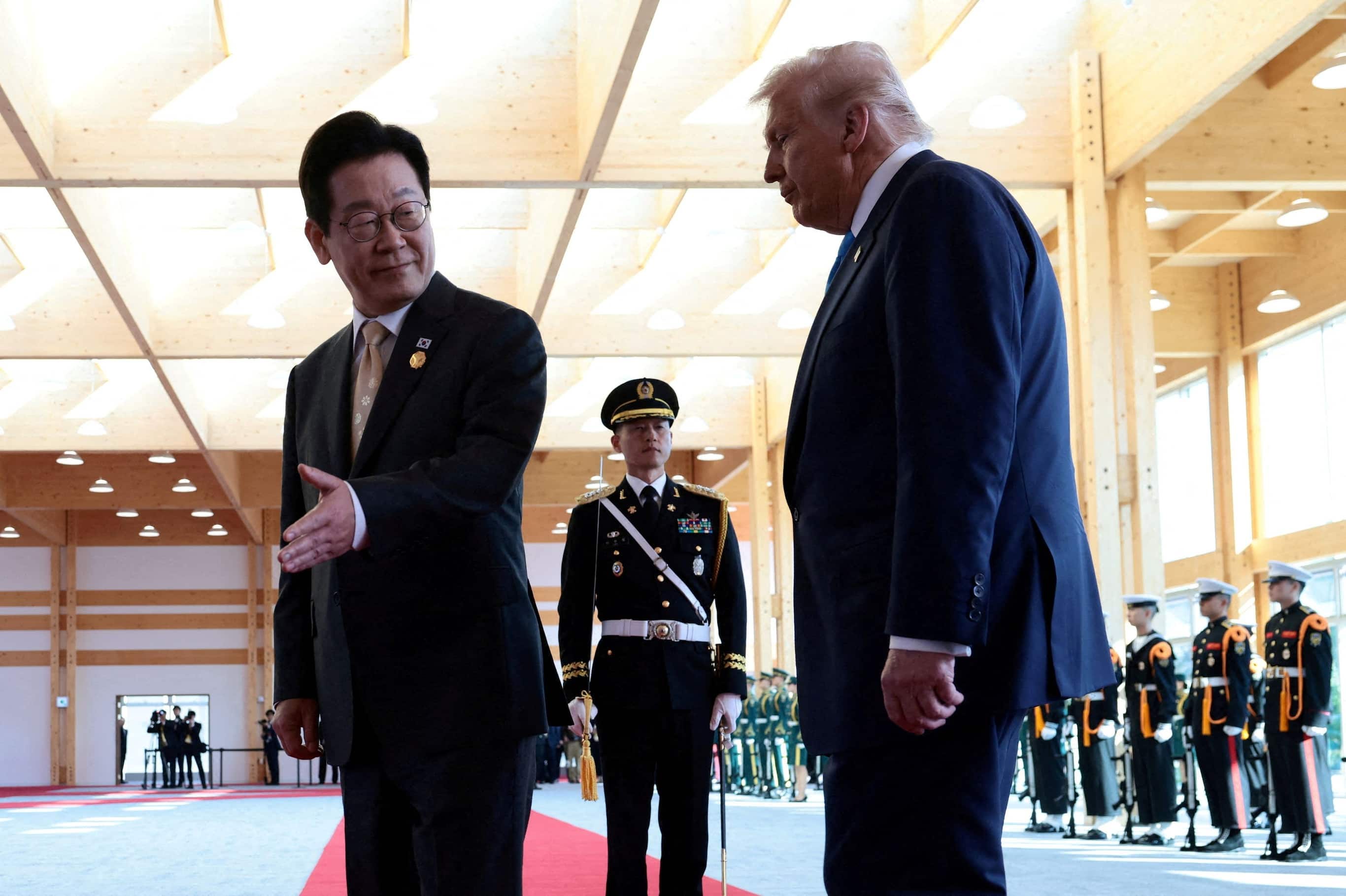
President Lee Jae Myung met with President Donald Trump Tuesday evening on the sidelines of the United Nations General Assembly. But several officials on both sides of the U.S.-South Korea relationship told WP Intelligence that the meeting was not confirmed until the last minute. The holdup in planning had been that efforts to announce new trade and investment commitments by South Korea — which would have secured Trump’s agreement to meet — have not materialized.
After the meeting, Lee announced in a social media post on X that, “Through recent intensive negotiations, discussions between our two countries on ‘strategic investment,’ projects have made significant progress.” But no specific announcements were made. Officials and experts on both sides of the relationship told us that tensions over trade, investment and the treatment of American businesses in South Korea remain.
Secretary of State Marco Rubio met South Korea’s Foreign Minister Cho Hyun on Friday in Washington ahead of the U.N. General Assembly. Rubio wrote on X afterward that he had reiterated the importance of securing freedom of navigation in the Strait of Hormuz, underscored “the critical need for a fair, transparent, and equitable business environment for American companies operating in the Republic of Korea,” and stressed “the swift execution of investment commitments” from the two countries’ 2025 trade and investment agreement. That single post captures all three flashpoints in the relationship: security, investment and business treatment.
The investment dispute has driven the most bilateral engagement. South Korea’s industry minister, Kim Jung-kwan, traveled to the United States twice in September to meet Commerce Secretary Howard Lutnick— trying to close out the terms for deals to announce as part of South Korea’s promised $350 billion investment package. Lee said at a Sept. 11 press conference that “an agreement has almost been reached, but, when I reviewed the details, there were parts that were difficult to agree with, so we are discussing them again.”
The Trump White House and many Republican lawmakers have other grievances with Seoul. In conjunction with heavy lobbying, the GOP has become more active in criticizing South Korea’s treatment of large U.S. businesses. The case of Coupang, South Korea’s largest delivery service, has become a major story in South Korea, where the company’s Korean American founder and several other executives face perjury allegations tied to their testimony before the National Assembly. U.S. technology firms including Google and Meta are fighting South Korean rules that restrict how they handle data and operate infrastructure inside the country.
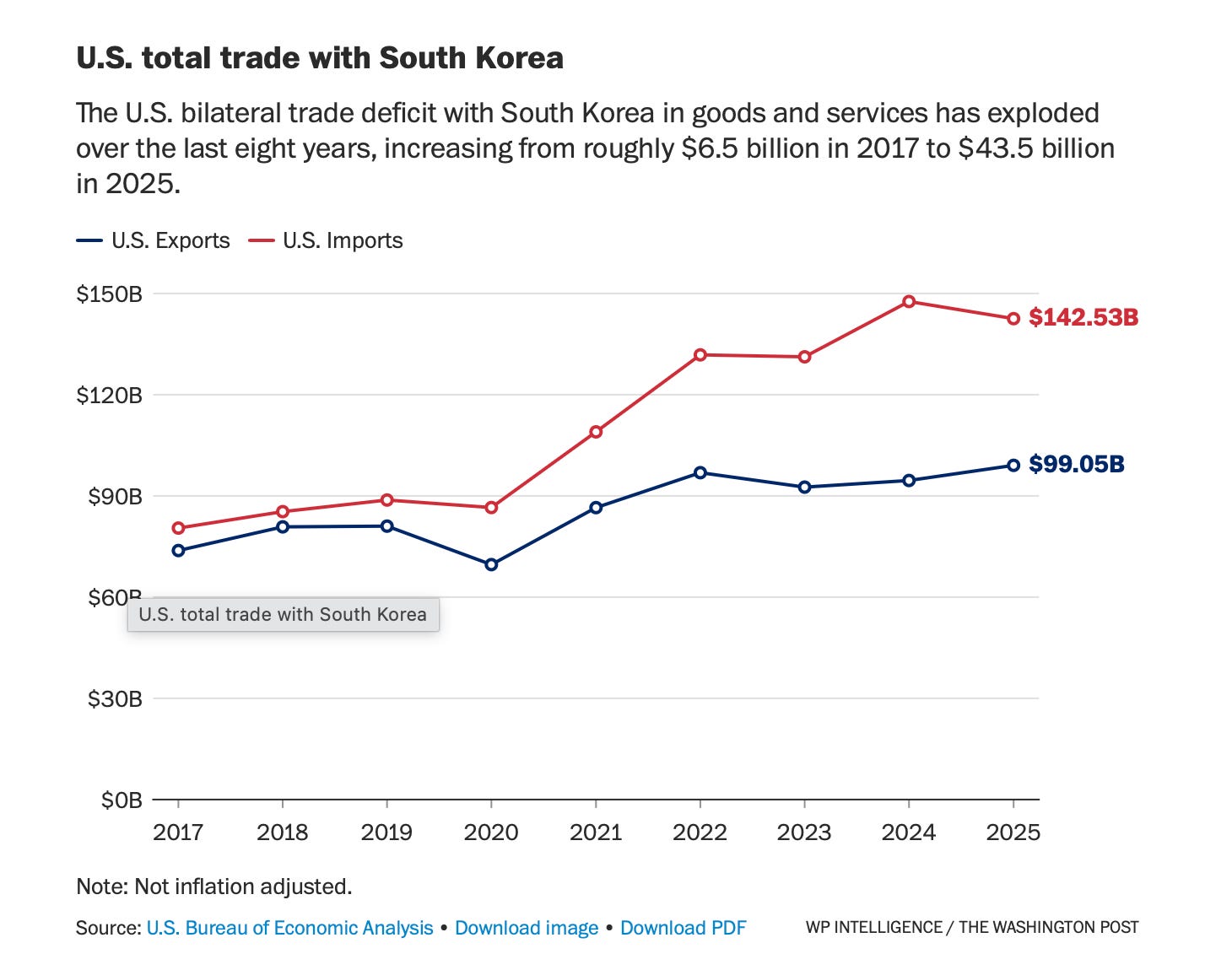
South Koreans have grievances of their own. Washington is pressing Seoul’s leaders to send South Korean troops into a Middle East war zone. Meanwhile, the Iran war and Trump’s tariffs have hurt South Korea’s economy. Trump’s approach to North Korea and his broader posture toward Asia, is unsettling South Korea’s confidence in the U.S. security commitment. This downturn in relations could persist, leaving companies on both sides caught in the middle.
Read the entire report at WP Intelligence here: https://wapo.st/4hfGhsQ