


This is an excerpt from my latest Washington Post Intelligence report. Free link to the full report at the bottom.
Next fall, delegations from up to 194 countries will gather in Shanghai to rewrite the rules of the airwaves. Their decisions will shape how smartphones, WiFi routers, satellites and military networks use radio spectrum all over the world for a decade or more.
The World Radiocommunication Conference 2027, known as WRC-27, will help decide which bands carry 6G, the next generation of mobile networks expected around 2030. It will also set rules for how satellite constellations such as SpaceX’s Starlink use spectrum and avoid interfering with other systems. Its decisions amend the International Telecommunication Union (ITU) Radio Regulations, a binding international treaty.
“The World Radiocommunication Conference may be the most consequential international negotiation that most people have never heard of,” retired ambassador Stephen Lang, who led the U.S. delegation to the last conference in 2023, told senators in March.
When China hosts WRC-27 next year, it will be the first World Radiocommunication Conference held in Asia. The ITU is the specialized agency of the United Nations that manages global radio frequencies and sets the Radio Regulations. The ITU Council, the agency’s 48-member governing body, picked Shanghai with 25 votes despite an aggressive, U.S.-led campaign against the bid. Lang testified that the outcome was “a significant blow to U.S. interests.”
Lang said the bid was Beijing’s response to the 2022 U.S. campaign that replaced a Chinese secretary-general of the ITU with American Doreen Bogdan-Martin. “China’s offer to host the WRC was aimed at reasserting its influence,” he testified.
The stakes are drawing growing attention on Capitol Hill, where senators are asking the administration to step up preparations to the upcoming conference by naming a lead negotiator.
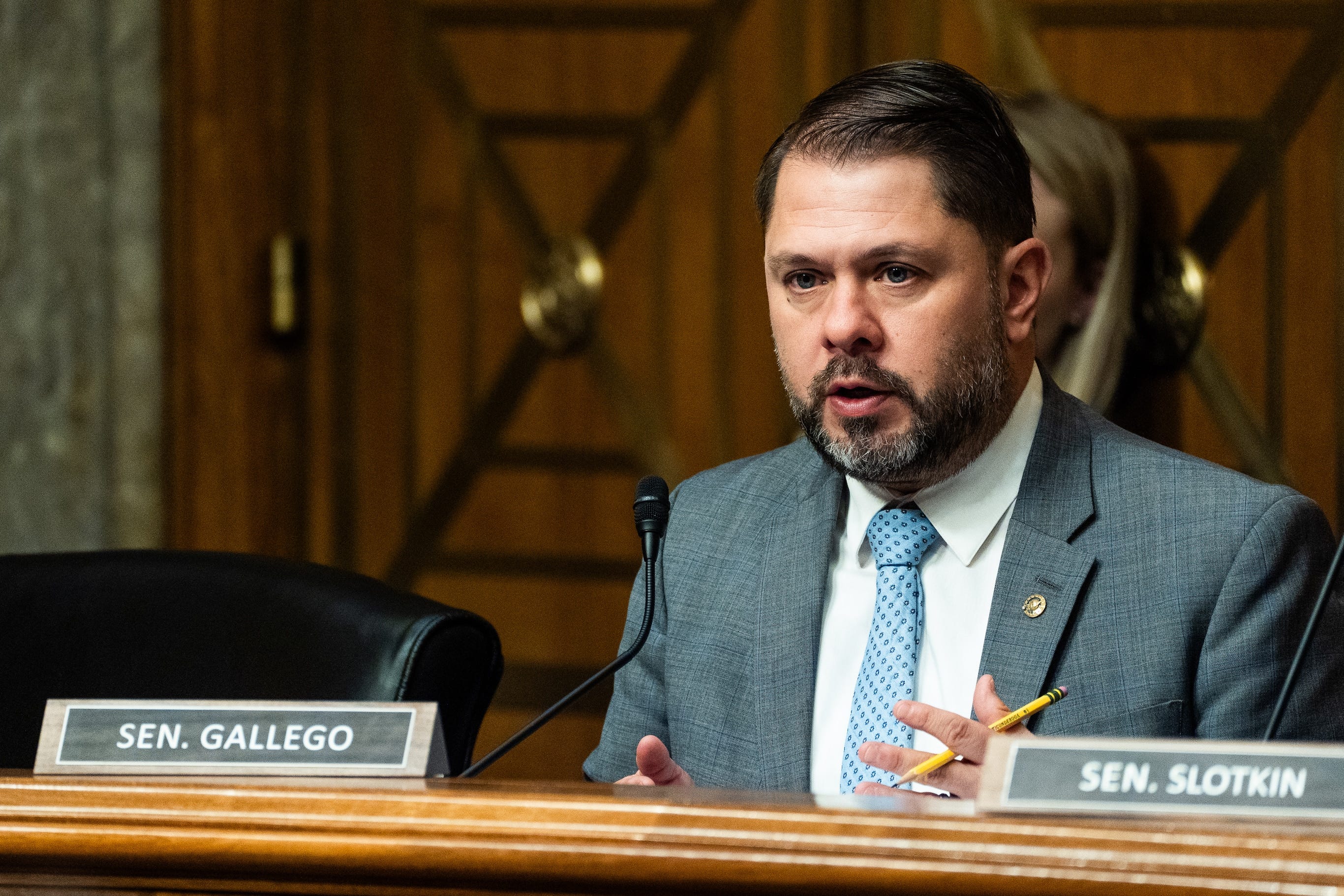
Sens. Ruben Gallego (D-Arizona) and Jim Banks (R-Indiana) sent a letter to Secretary of State Marco Rubio on Sept. 29 urging the State Department to “designate a U.S. head of delegation” for the conference. Washington Post Intelligence obtained the letter.
“China is hosting the very conference where the rules for 6G get written, and will use that home-field advantage to push standards favoring Huawei,” Gallego told me. “The U.S. needs a lead negotiator in that room now, not after the rules are locked in.”
The senators argue that hosting could give China more opportunities to shape the agenda, build support for its preferred positions, and influence negotiations around spectrum and technology standards. They also contend that Beijing could use that leverage to advance the interests of Chinese companies such as Huawei. “A strong U.S. delegation, coordinating its position well in advance alongside like-minded allies and partners, is the best defense against the CCP’s authoritarian agenda,” they wrote.
The senators credited the administration with progress on “the substance of U.S. preparations.” Some U.S. proposals have already gone to the Inter‑American Telecommunication Commission (CITEL), the Organization of American States’ telecommunications commission, the letter stated. The rest are due at its meeting in Bogotá beginning Nov. 30. They asked the administration to name a head of delegation before that meeting. They are also asking Rubio to give the Senate more details on the administration’s strategy and positions going into WRC-27.
“Countries around the world are choosing between trusted technology and Chinese surveillance, and Huawei is making door-to-door sales pitches,” Gallego told me. “If the United States doesn’t work with its allies to shape 6G standards now, China will close the deal and bring more countries under their influence. That will pose national security implications for at least a decade, maybe longer.”
Several U.S. officials and former officials told me that the State Department is likely to pick the current official leading the internal preparations for WRC-27, State’s ambassador at large for cyberspace and digital policy Adam Cassady. The State Department declined to comment. Cassady is well-regarded by experts and has long experience in these issues. He previously served as deputy administrator of the National Telecommunications and Information Administration, which manages the federal spectrum, and as chief of staff to former FCC Commissioner Nathan Simington.
Nevertheless, the fact that State has not named a head of delegation could hamper the U.S. delegation’s ability to rally support for its positions ahead of the regional meetings next month in Bogotá. Lewis told me that the Trump administration is not unique in waiting until the last minute to name a delegation head.
“These are always cliff-hangers, and there’s no reason for that,” he said, noting that Beijing is already working hard to ensure the conference comes out China’s way. “The Chinese have figured out if you set the rules, you can dominate the game.”
Read the whole report here: https://wapo.st/4hL40kT
Lindsey Graham’s sister in debate…….utterly shameful……..